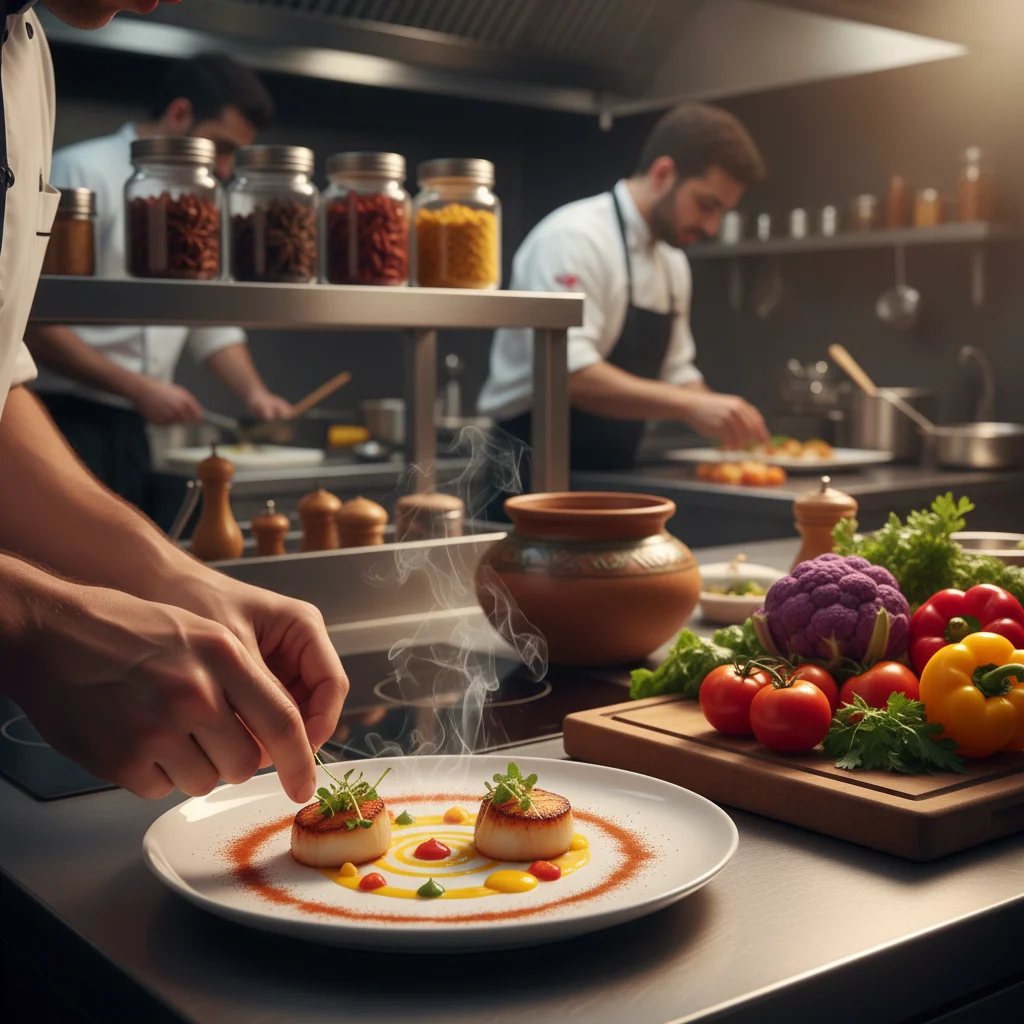
Have you ever paused to consider the sheer magic that unfolds in a kitchen, or the profound stories told through a single bite? The world of culinary arts is far more than just sustenance; it’s a vibrant tapestry woven with history, culture, innovation, and an unwavering passion for flavor. From the simplest home-cooked meal to the most exquisite Michelin-starred experience, the journey of food preparation and appreciation is an adventure for all senses. It’s a realm where creativity knows no bounds, where ingredients transform under skilled hands, and where every dish tells a tale. This article invites you to delve deep into the captivating universe of culinary excellence, exploring its rich traditions, modern innovations, and the sheer joy it brings to billions of people across the globe.
The Art of Culinary Exploration: A Global Symphony of Flavors
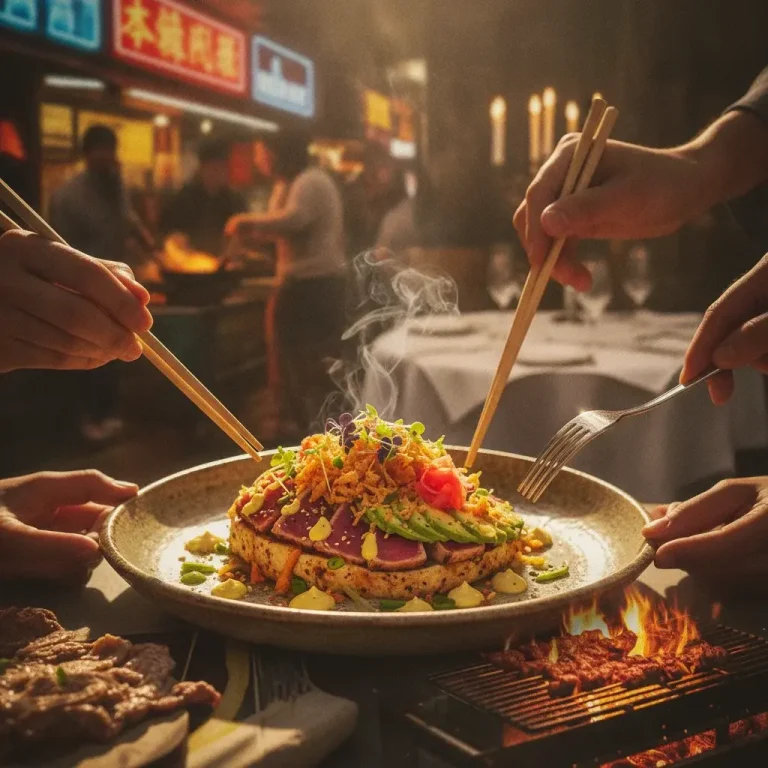
The beauty of the culinary world lies in its boundless diversity, a truly global symphony of tastes, aromas, and textures. Every region, every country, boasts a unique gastronomic identity forged over centuries of tradition, resourcefulness, and cultural exchange. From the vibrant street food markets of Southeast Asia to the refined dining rooms of Europe, the exploration of food is a journey into the heart of humanity.
A Symphony of Flavors: Global Culinary Traditions
Consider the delicate balance of umami in Japanese cuisine, where meticulous preparation elevates fresh ingredients to an art form. Or the robust, sun-drenched flavors of Italian cooking, celebrated worldwide for its pasta, pizza, and regional specialties. The intricate spice blends of Indian gastronomy, with its thousands of distinct dishes, offer an unparalleled sensory experience, showcasing a mastery of aromatic complexity.
French cuisine, often considered the bedrock of modern Western cooking, continues to inspire with its classic techniques and dedication to presentation. Meanwhile, the fiery zest of Mexican food, characterized by its chiles, corn, and beans, tells a story of ancient civilizations and vibrant contemporary culture. Exploring these global culinary traditions is not just about eating; it’s about understanding history, geography, and the very soul of a people.
The Science Behind the Sizzle: Culinary Techniques
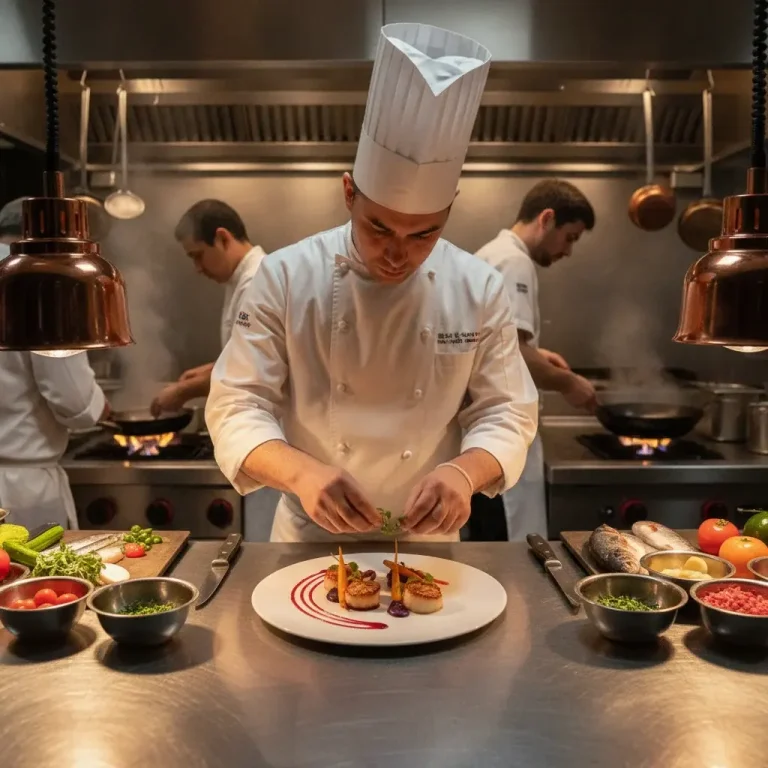
Beyond the ingredients themselves, the transformative power of cooking lies in technique. From the foundational knife skills that define a chef’s precision to the complex molecular gastronomy that redefines texture and presentation, every method is a dance between art and science. Browning reactions, emulsification, fermentation – these are not just kitchen terms but chemical processes that unlock new dimensions of flavor and appeal.
For those truly passionate about mastering the craft, esteemed institutions like The Culinary Institute of America offer comprehensive programs that delve into every facet of gastronomic artistry. Understanding the science behind the sizzle allows chefs to innovate, to perfect, and to consistently deliver exceptional dishes. It’s the difference between merely cooking and truly creating.
From Farm to Fork: The Culinary Journey of Ingredients
The true heart of any exceptional dish begins long before it reaches the plate – it starts with the quality and provenance of its ingredients. The modern culinary landscape is increasingly focused on the journey of food from its source to the consumer, emphasizing transparency, sustainability, and local sourcing. This holistic approach ensures not only superior flavor but also contributes to a healthier planet and stronger communities.
Sustainable Culinary Practices
In an era of growing environmental consciousness, sustainable culinary practices have become paramount. Chefs and consumers alike are recognizing the critical importance of reducing food waste and supporting ethical production. According to the Food and Agriculture Organization (FAO), approximately one-third of all food produced globally for human consumption is lost or wasted, a staggering figure that highlights the urgency of change.
Many culinary leaders are championing initiatives like nose-to-tail butchery, root-to-stem cooking, and composting programs to minimize their ecological footprint. These efforts not only conserve resources but also challenge chefs to be more creative with ingredients, transforming overlooked parts into delicious components. It’s a commitment to ensuring that the pleasure of food doesn’t come at the expense of our planet’s future.
The Role of Local Ingredients in Modern Culinary Arts
The farm-to-table movement, though not new, has gained immense traction, celebrating the unparalleled freshness and flavor of locally sourced, seasonal ingredients. When food travels shorter distances, its peak ripeness and nutritional value are preserved, resulting in a more vibrant and authentic taste experience. This philosophy connects diners directly to the land and the dedicated individuals who cultivate it.
Organizations like Slow Food International advocate for good, clean, and fair food, promoting biodiversity and local food systems. Embracing local ingredients also supports regional economies, fosters a sense of community, and reduces the carbon footprint associated with long-distance transportation. It’s a return to the roots of culinary tradition, where respect for the ingredient is paramount.
The Future of Culinary Innovation: Blending Tradition with Technology
The culinary world is in a constant state of evolution, driven by innovation, technological advancements, and a desire to push the boundaries of taste and experience. While deeply rooted in tradition, the future of gastronomy is undeniably exciting, promising new flavors, new dining formats, and new ways to interact with food.
Technology in the Kitchen
From smart ovens that learn your cooking preferences to artificial intelligence assisting with menu development, technology is revolutionizing the kitchen. Precision cooking techniques like sous-vide, once exclusive to high-end restaurants, are now accessible to home cooks, ensuring perfectly cooked dishes every time. Data analytics is even helping restaurants understand customer preferences with greater accuracy, leading to more tailored and satisfying dining experiences.
Innovations extend beyond cooking methods to the very ingredients themselves. Plant-based meats, cellular agriculture, and 3D food printing are rapidly transforming what’s possible on the plate. These advancements promise not only novel culinary experiences but also potential solutions to global food security and sustainability challenges, reshaping our relationship with what we eat.
Experiential Dining and Culinary Tourism
Dining is no longer just about the meal; it’s about the entire experience. Experiential dining, from immersive pop-up restaurants to multi-sensory tasting menus, is captivating diners seeking more than just sustenance. These unique concepts engage all five senses, creating memorable moments that transcend traditional restaurant settings. Some establishments even incorporate storytelling, performance art, or virtual reality to elevate the culinary journey.
Furthermore, culinary tourism has exploded in popularity, with travelers actively seeking out authentic food experiences as a primary motivation for their trips. The World Food Travel Association estimates that 25% of all tourism is food-related, indicating a significant global trend. Whether it’s a Tuscan cooking class, a Japanese sake tasting, or a street food tour in Vietnam, these journeys offer deep cultural immersion through the universal language of food.
Embracing Your Inner Chef: A Culinary Call to Action
The captivating world of culinary arts is accessible to everyone, not just professional chefs. Whether you’re experimenting with a new recipe at home, exploring diverse cuisines in your local community, or embarking on a gastronomic adventure abroad, every interaction with food is an opportunity for discovery and delight. The global food service market, valued at an impressive USD 3,369.3 billion in 2023 by Grand View Research, underscores the immense impact and reach of this industry, but the personal connection remains its most potent force.
Embrace the joy of cooking, the thrill of new flavors, and the profound connection that food fosters between people. Learn a new technique, try an exotic ingredient, or simply share a meal with loved ones. The culinary journey is endless, filled with endless possibilities for creativity, learning, and pure, unadulterated pleasure. So, what delicious adventure will you embark on next?
About the Author