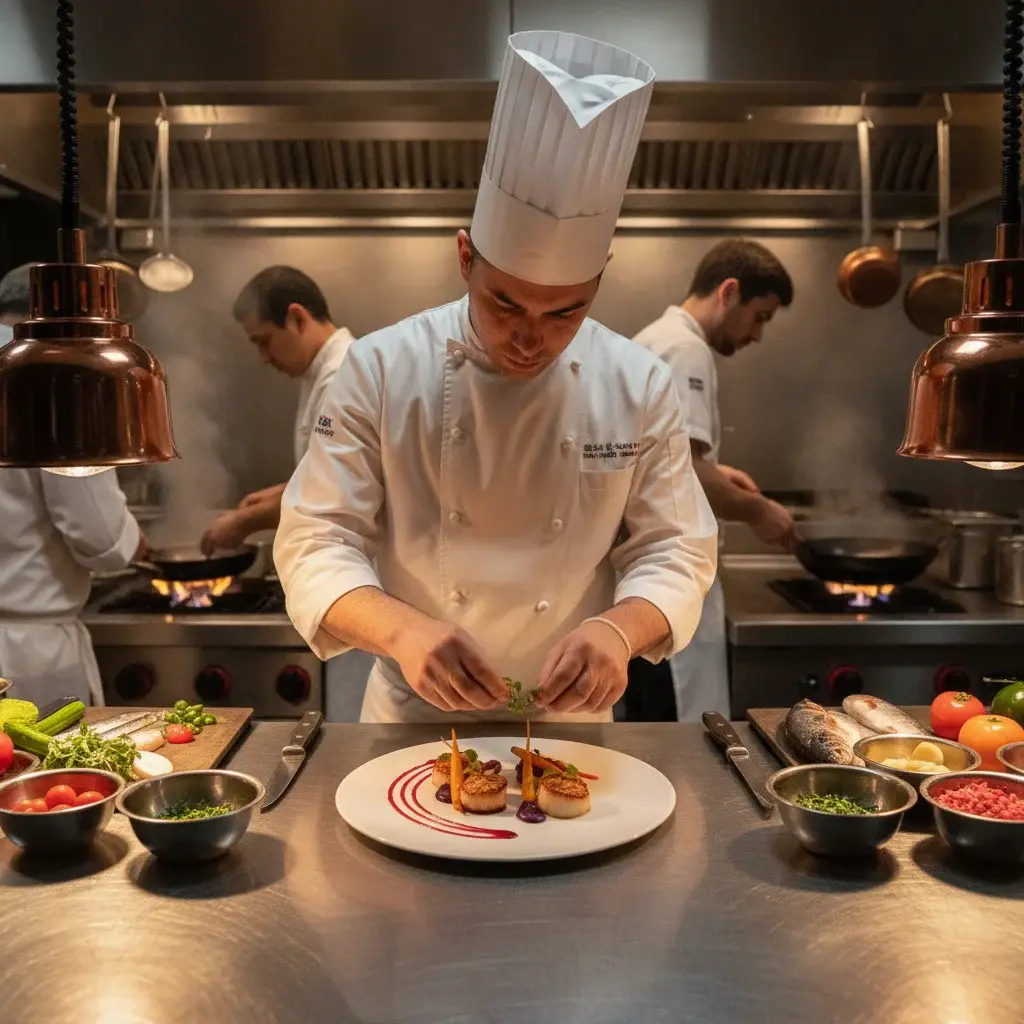
From the simplest home-cooked meal to the most elaborate tasting menu, food transcends mere sustenance; it is an experience, a memory, and a profound expression of culture. The world of culinary arts invites us on an extraordinary adventure, a vibrant tapestry woven with flavors, aromas, and stories from every corner of the globe. It’s a realm where passion meets precision, and creativity transforms humble ingredients into edible masterpieces, captivating our senses and nourishing our souls. Join us as we delve deep into this fascinating universe, exploring the magic that happens when food becomes art.
The Art of Culinary Exploration: A Global Tapestry of Flavors
The journey of culinary arts is as old as humanity itself, evolving from basic survival into a sophisticated form of cultural expression. Each region, each country, boasts a unique gastronomic identity, shaped by history, climate, and local traditions. Think of the intricate spice blends of Indian curries, the delicate balance of umami in Japanese sushi, or the robust, sun-drenched flavors of Mediterranean cuisine. These diverse culinary landscapes offer endless opportunities for discovery and delight.
Tracing the origins of beloved dishes reveals fascinating migrations and fusions of ingredients and techniques. For instance, did you know that pasta, often associated solely with Italy, has roots that can be traced back to ancient China? The global exchange of ideas, ingredients, and cooking methods has continually enriched our plates, leading to the vibrant, interconnected food scene we cherish today. This rich history is a testament to the enduring human desire for innovation and connection through food.
Exploring global gastronomy is an education in itself, teaching us about different societies and their values. The UNESCO Intangible Cultural Heritage list includes several culinary traditions, recognizing their profound importance to human identity and community. These traditions are not just recipes; they are living expressions of heritage, passed down through generations, embodying the very soul of a people. From the ceremonial preparation of French gastronomic meals to the traditional Mexican cuisine, these practices highlight food’s role beyond simple nourishment.
From Farm to Fork: The Journey of Ingredients
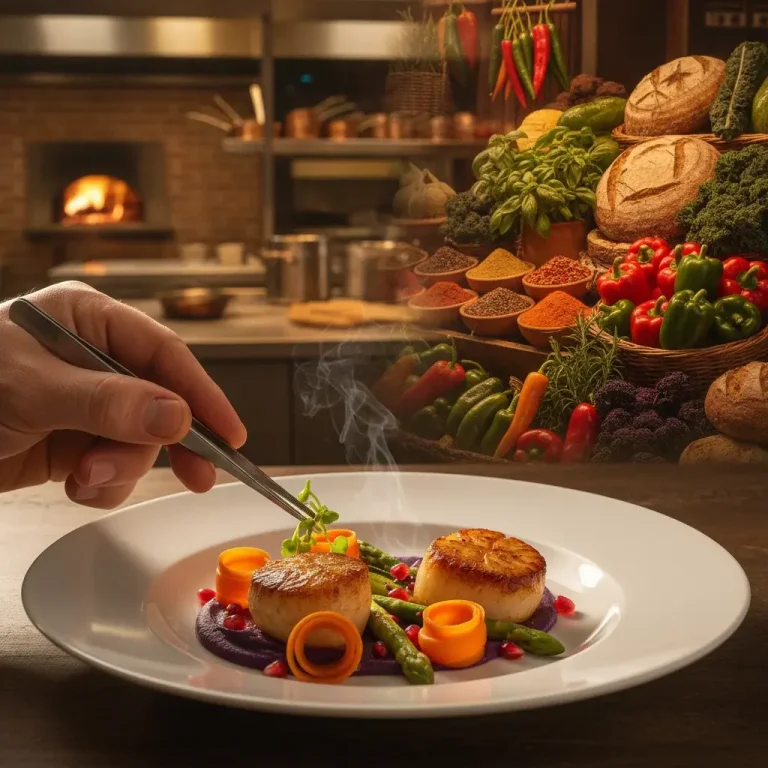
At the heart of every exquisite dish lies the quality of its ingredients. A true culinary artist understands that the freshest, most vibrant produce, ethically raised meats, and sustainably sourced seafood are non-negotiable foundations for flavor. The connection between the land, the sea, and our plates is more critical than ever, influencing not only taste but also environmental impact and community well-being.
The movement towards farm-to-table dining emphasizes this direct connection, celebrating local farmers and producers who cultivate ingredients with care and respect. This approach ensures peak freshness, reduces carbon footprints, and supports local economies. Many chefs now forge direct relationships with specific farms, sometimes even dictating what they grow, ensuring bespoke ingredients for their menus. This collaborative spirit elevates the entire dining ecosystem, offering diners an unparalleled taste of place.
Sustainability has become an increasingly vital consideration in the culinary world. From reducing food waste to championing regenerative agriculture practices, chefs and restaurateurs are at the forefront of advocating for a more responsible food system. Organizations like the James Beard Foundation actively promote sustainable practices, recognizing chefs who demonstrate leadership in environmental and social responsibility. This commitment extends beyond the kitchen, impacting global food supply chains and consumer awareness.
The Maestro Behind the Plate: The Role of the Chef
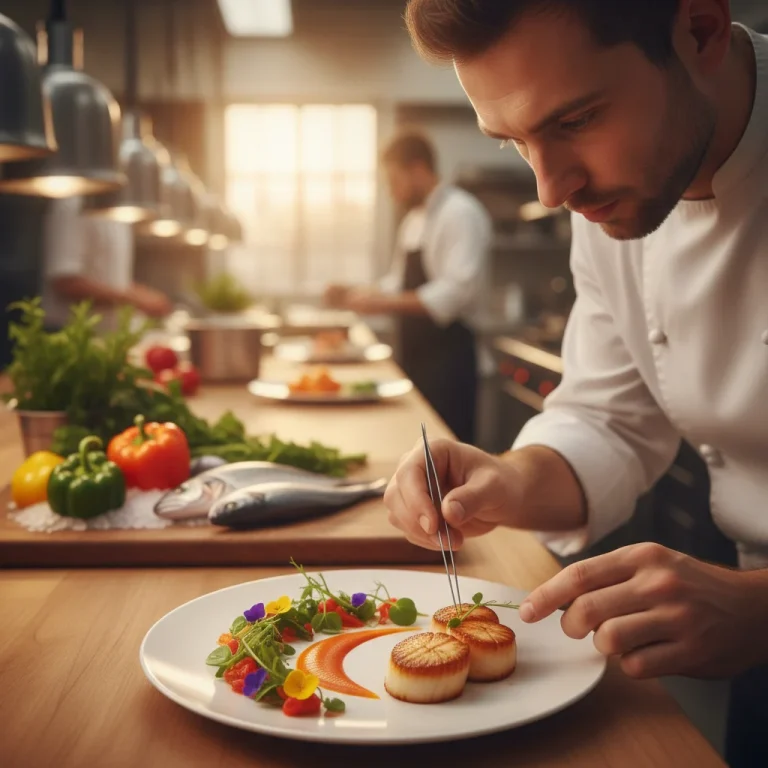
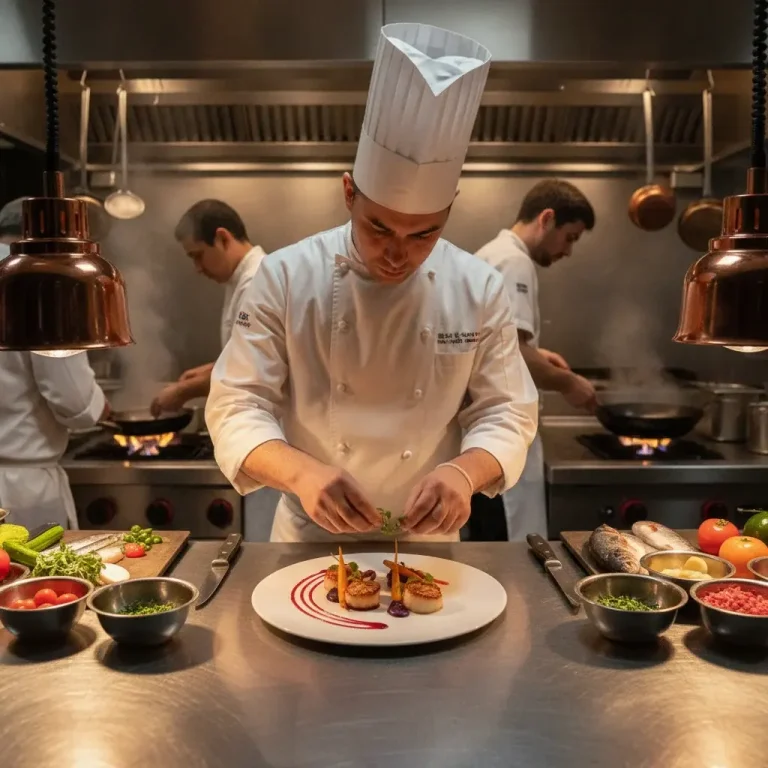
A chef is more than just a cook; they are an artist, a scientist, and a storyteller, all rolled into one. Their culinary vision transforms raw components into harmonious compositions, balancing textures, temperatures, and tastes to create a memorable experience. The journey to becoming a professional chef is often arduous, demanding years of rigorous training, countless hours in demanding kitchens, and an unyielding passion for the craft.
The training at institutions like the Culinary Institute of America equips aspiring chefs with foundational skills, from classic French techniques to modern molecular gastronomy. However, true mastery comes from continuous learning, experimentation, and an innate ability to innovate. Chefs must possess a keen palate, an encyclopedic knowledge of ingredients, and the discipline to execute complex dishes flawlessly, often under immense pressure.
Beyond technical prowess, a great chef infuses their dishes with personality and narrative. Each plate tells a story, whether it’s a nostalgic memory from childhood, an exploration of cultural heritage, or a bold statement about contemporary issues. The world’s top chefs, celebrated in guides like the Michelin Guide, are not just serving food; they are curating a sensory journey, inviting diners to engage with their artistic expression. Their creativity pushes boundaries, constantly redefining what is possible on a plate.
The Dining Experience: More Than Just a Meal
Dining out is a multi-sensory event, extending far beyond the food itself. The ambiance of a restaurant, the warmth of the service, the carefully curated wine list, and even the background music all contribute to the overall experience. Restaurateurs meticulously design every element to create a specific mood and complement the culinary offerings, transforming a simple meal into an occasion.
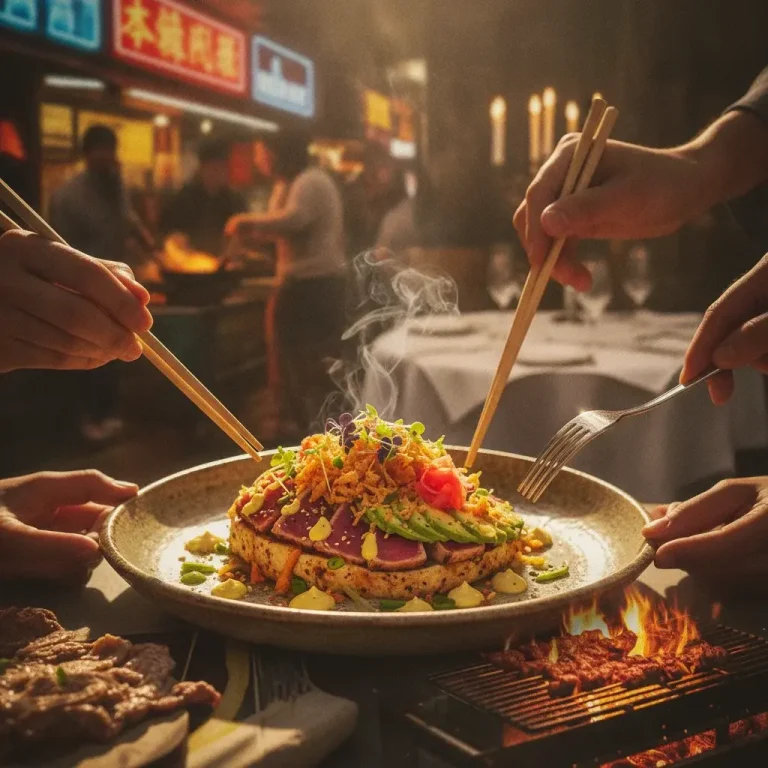
Consider the difference between a bustling street food stall and a serene fine-dining establishment. While both offer delicious food, the context profoundly shapes our perception and enjoyment. Fine dining, in particular, elevates the act of eating to an art form, with precise plating, attentive service, and an atmosphere designed for contemplation and appreciation. It’s an immersive theater where every detail, from the lighting to the silverware, plays a role in the performance.
The best restaurants understand that hospitality is paramount. It’s about making guests feel welcome, understood, and pampered. From the moment a diner steps through the door until they depart, every interaction contributes to their satisfaction. This holistic approach to dining is what distinguishes truly exceptional establishments, creating loyal patrons and unforgettable memories. It’s a blend of impeccable food and unparalleled service that captures the hearts of diners worldwide.
Innovation in the Kitchen: Trends and the Future of Food
The culinary world is a dynamic landscape, constantly evolving with new techniques, ingredients, and philosophies. From the advent of molecular gastronomy in the early 2000s, which explored the physical and chemical transformations of ingredients, to the current surge in plant-based and sustainable dining, innovation is a constant driving force. Chefs are always pushing boundaries, experimenting with new flavors and presentations.
Current trends highlight a growing global consciousness, with an increased focus on health, ethics, and environmental impact. Plant-based cuisine, for example, has moved beyond simple vegetarianism to sophisticated, flavor-forward dishes that appeal to a broad audience. Fermentation, once a traditional preservation method, is now celebrated for its complex flavors and probiotic benefits, appearing in everything from artisanal sourdough to innovative beverages. The World’s 50 Best Restaurants often showcases these pioneering establishments, setting global benchmarks for culinary excellence and innovation.
The future of food promises even more exciting developments, driven by technology and a deeper understanding of nutrition. Lab-grown meats, personalized nutrition plans, and AI-powered kitchen tools are no longer concepts of science fiction but emerging realities. These advancements aim to address global food security, reduce environmental strain, and offer unprecedented culinary possibilities. The ongoing dialogue between tradition and innovation ensures that the culinary journey remains endlessly fascinating.
Embracing Your Own Culinary Adventure
Whether you’re a seasoned chef or an enthusiastic home cook, the world of culinary arts offers a lifetime of exploration and enjoyment. There are over 1.5 million restaurants in the United States alone, each offering a unique glimpse into the vast culinary landscape. Don’t be afraid to experiment with new recipes, discover exotic ingredients, or enroll in a local cooking class to hone your skills. The joy of creating something delicious with your own hands is immensely rewarding, connecting you directly to a rich, ancient tradition.
Support your local farmers’ markets and independent restaurants; by doing so, you contribute to a vibrant and sustainable food community. Share your culinary creations with friends and family, fostering connection and creating cherished memories around the table. Food is a universal language, a powerful medium for expressing love, culture, and creativity. Embrace the adventure, savor every bite, and let the culinary arts enrich your life in countless delicious ways.
About the Author