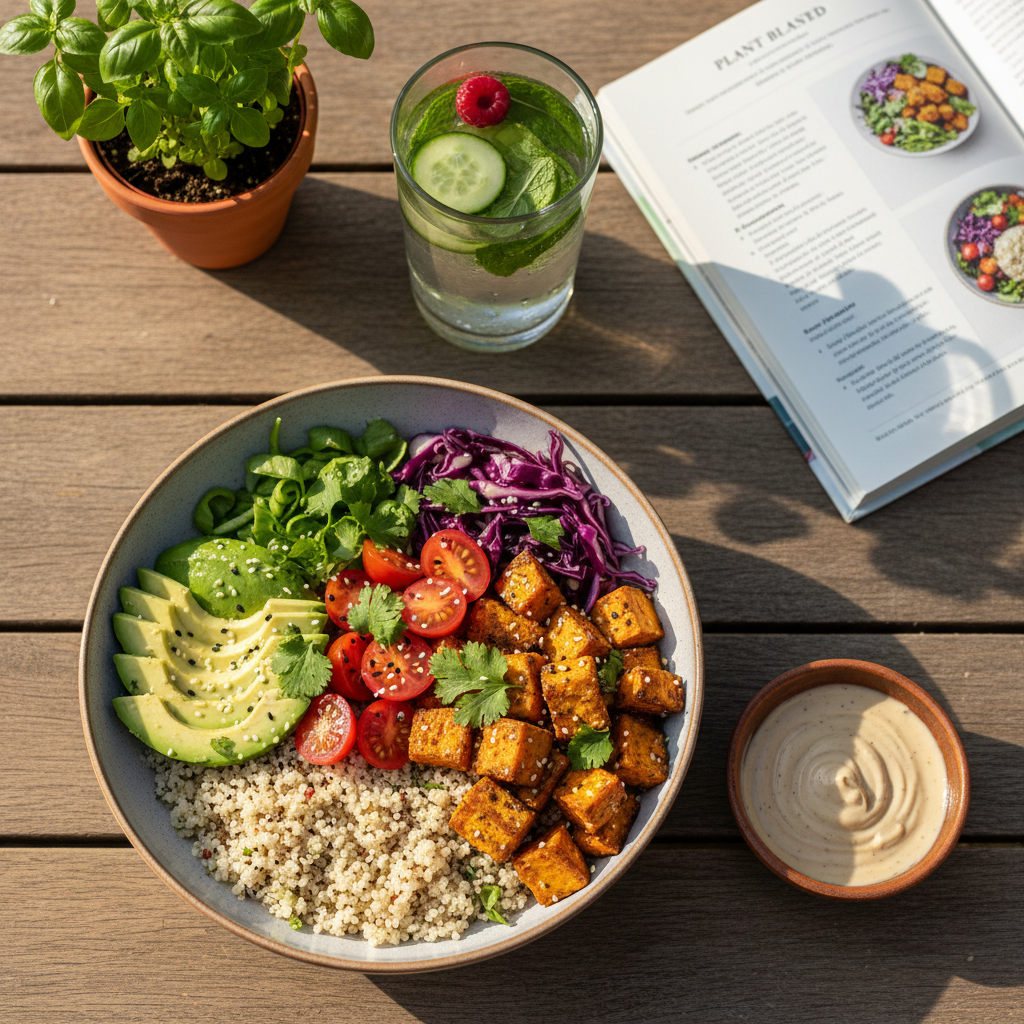
Are you feeling sluggish, craving a vibrant change, or simply curious about a healthier, more sustainable way to fuel your body? The culinary world is abuzz with a powerful shift, and at its heart lies plant-based eating. This isn’t just another fad diet; it’s a rapidly growing movement embraced by millions seeking improved health, environmental stewardship, and ethical choices. Join us as we explore why incorporating more plants into your diet could be the most impactful decision you make for yourself and the planet.
The Rise of Plant-Based Eating: More Than Just a Trend
The momentum behind plant-based diets has been building steadily over the past decade, transcending niche health communities to become a mainstream phenomenon. From celebrity endorsements to innovative vegan food products flooding supermarket aisles, the evidence is clear: plants are taking center stage. This shift reflects a collective awakening to the profound benefits that a plant-rich diet offers.
It’s not about strict deprivation or extreme measures, but rather a conscious choice to prioritize fruits, vegetables, grains, legumes, and nuts. This approach encourages mindful eating, leading many to discover a wider array of delicious and nutritious foods than they ever imagined. The versatility of plant-based ingredients makes it an exciting culinary adventure.
Health Benefits You Can’t Ignore
Adopting a plant-based diet is widely recognized for its potential to significantly improve overall health. Studies consistently link higher consumption of plant foods with a reduced risk of chronic diseases. These include heart disease, type 2 diabetes, and certain types of cancer.
The abundance of fiber, vitamins, minerals, and antioxidants found in plants contributes to better digestion, stronger immunity, and increased energy levels. Many individuals report improved skin health and more stable blood sugar levels after transitioning to plant-forward meals. It’s a holistic approach to wellness.
Environmental Impact: Eating for the Planet
Beyond personal health, the environmental advantages of a plant-focused lifestyle are compelling. Livestock farming is a major contributor to greenhouse gas emissions, deforestation, and water pollution. Shifting towards plant-based meals can drastically reduce your carbon footprint.
Choosing vegetables, fruits, and legumes over animal products requires fewer natural resources, including land and water. This sustainable eating pattern supports biodiversity and helps preserve our planet for future generations. Every meal becomes an opportunity to make a positive ecological choice.
Ethical Considerations: A Kinder Plate
For many, the move towards plant-based eating is driven by a deep concern for animal welfare. Modern industrial farming practices often raise significant ethical questions regarding the treatment of animals. Opting for a vegan or vegetarian diet aligns with a compassionate worldview.
This perspective encourages consumers to choose foods that do not involve animal exploitation or suffering. It’s a powerful way to vote with your fork, promoting a more humane food system. The peace of mind that comes with a cruelty-free plate is invaluable to many.
Decoding the Plant-Based Plate: What Does it Look Like?
Understanding what constitutes a balanced plant-based diet is key to enjoying its full benefits. It’s not just about removing meat; it’s about thoughtfully incorporating a wide variety of nutrient-dense plant foods. A diverse plate ensures you’re getting all essential vitamins and minerals.
Think vibrant colors, diverse textures, and exciting flavors. Your meals can be as simple or as gourmet as you desire, offering endless culinary possibilities. This approach encourages creativity in the kitchen and an exploration of global cuisines.
Protein Powerhouses from Plants
One of the most common questions about plant-based eating concerns protein intake. Fortunately, the plant kingdom offers an abundance of excellent protein sources. Legumes like lentils, chickpeas, and black beans are fantastic staples.
Tofu, tempeh, and edamame provide complete proteins, making them versatile and satisfying additions to any meal. Grains such as quinoa and buckwheat, along with nuts, seeds, and even many vegetables, also contribute significantly to your daily protein needs. Combining various plant proteins throughout the day ensures adequate intake.
Mastering Macronutrients and Micronutrients
A well-planned plant-based diet provides all the necessary macronutrients (carbohydrates, fats, protein) and micronutrients (vitamins, minerals). Focus on whole, unprocessed foods to maximize nutrient density. Healthy fats can be found in avocados, nuts, seeds, and olive oil.
Iron can be sourced from spinach, lentils, and fortified cereals, often enhanced by pairing with Vitamin C-rich foods. B12 is the only vitamin not reliably found in plant foods, making supplementation or fortified foods a wise consideration. Understanding these nutritional nuances empowers you to thrive.
Delicious and Diverse Plant-Based Recipes
The world of plant-based cuisine is incredibly rich and varied, offering dishes from every corner of the globe. From hearty lentil stews and vibrant Buddha bowls to creamy cashew pasta sauces and innovative plant-based burgers, the options are limitless. Cooking without animal products opens up a universe of new ingredients and flavor combinations.
Experiment with spices, herbs, and different cooking methods to create exciting meals. Online resources, cookbooks, and plant-based blogs are treasure troves of inspiration, helping you discover new family favorites. Embracing this culinary adventure can be incredibly rewarding.
Tips for Transitioning to a Plant-Based Lifestyle
Making the switch to a plant-based lifestyle doesn’t have to be an overnight transformation. Many find success by adopting a gradual approach, allowing their palate and habits to adjust over time. Small, consistent steps often lead to lasting change.
Focus on adding more plant foods rather than strictly eliminating animal products initially. This positive reinforcement makes the process more enjoyable and sustainable. Remember, every plant-forward meal is a step in the right direction.
Start Small, Grow Big
Consider implementing “Meatless Mondays” or committing to one plant-based meal per day to begin. Gradually increase the frequency of your plant-based meals as you become more comfortable and confident in the kitchen. This gentle introduction helps prevent feeling overwhelmed.
Swapping dairy milk for almond or oat milk, or replacing ground beef with lentils in a chili, are simple yet impactful changes. These small victories build momentum and reinforce your commitment to healthier eating. Consistency is more important than perfection.
Explore New Flavors and Cuisines
One of the most exciting aspects of plant-based eating is the opportunity to explore a vast array of new ingredients and culinary traditions. Dive into ethnic cuisines rich in plant-based dishes, such as Indian, Mediterranean, Mexican, or Thai. These cultures often have centuries-old traditions of delicious vegetarian and vegan meals.
Visit farmers’ markets to discover seasonal produce and unique local ingredients you might not find elsewhere. Experiment with different spices and herbs to elevate the flavor profiles of your dishes. Broadening your culinary horizons will keep your meals exciting and prevent monotony.
Stocking Your Plant-Based Pantry
A well-stocked pantry is essential for successful plant-based cooking. Keep staples like various legumes (canned or dried), whole grains (quinoa, brown rice, oats), nuts, seeds, and nutritional yeast on hand. These form the base for countless nutritious meals.
Ensure you have a good selection of spices, herbs, vinegars, and plant-based oils to add flavor and depth. Frozen fruits and vegetables are excellent for convenience and ensuring you always have healthy options available. Planning your groceries around plant-based essentials makes meal preparation much smoother.
Overcoming Common Plant-Based Challenges
Like any dietary change, transitioning to a plant-based diet can present a few hurdles. However, with a little planning and knowledge, these challenges are easily overcome. Identifying potential issues beforehand allows for proactive solutions.
From ensuring adequate nutrient intake to navigating social gatherings, understanding these common concerns helps maintain a smooth transition. Remember that flexibility and self-compassion are key throughout your journey. Every challenge is an opportunity to learn and grow.
Addressing Nutrient Concerns
While a well-planned plant-based diet is perfectly capable of providing all necessary nutrients, it’s wise to be mindful of a few key areas. As mentioned, Vitamin B12 is crucial and typically requires supplementation or fortified foods. Iron, calcium, and Omega-3 fatty acids are also important.
Ensure a varied diet rich in leafy greens, fortified plant milks, nuts, seeds, and whole grains. Consulting a registered dietitian specializing in plant-based nutrition can provide personalized guidance and ensure you’re meeting all your dietary needs. Knowledge is your best tool for optimal health.
Social Situations and Dining Out
Navigating social events and dining out can sometimes feel tricky when following a plant-based diet. Don’t be afraid to communicate your dietary preferences to hosts or restaurant staff in advance. Many establishments are increasingly accommodating to plant-based requests.
Research menus online before going out, or suggest plant-friendly restaurants to friends and family. Potlucks offer a great opportunity to bring a delicious plant-based dish to share. With a little preparation, enjoying social meals while staying true to your eating style is entirely possible.
Budget-Friendly Plant-Based Meals
Contrary to popular belief, plant-based eating can be incredibly cost-effective. Staples like beans, lentils, rice, oats, and seasonal vegetables are often much cheaper than meat and dairy products. Cooking from scratch using whole ingredients is typically more economical than relying on processed convenience foods.
Batch cooking, meal planning, and buying in bulk for non-perishables can further reduce your grocery bill. Focus on simple, wholesome meals that leverage affordable plant-based ingredients. Eating well doesn’t have to break the bank, especially when you embrace the power of plants.
Embracing plant-based eating offers a profound opportunity to enhance your well-being, support environmental sustainability, and align with ethical values. By focusing on whole, unprocessed plant foods, exploring diverse cuisines, and gradually integrating new habits, you can unlock a world of vibrant flavors and significant health advantages. Start with small, manageable changes today, and discover how nourishing your body with the earth’s bounty can lead to a more energetic, fulfilling, and compassionate life.
About the Author